Like ME (You?) Better Now, 2026
The work is presented by different bodies. The content remains the same. Its meaning does not.
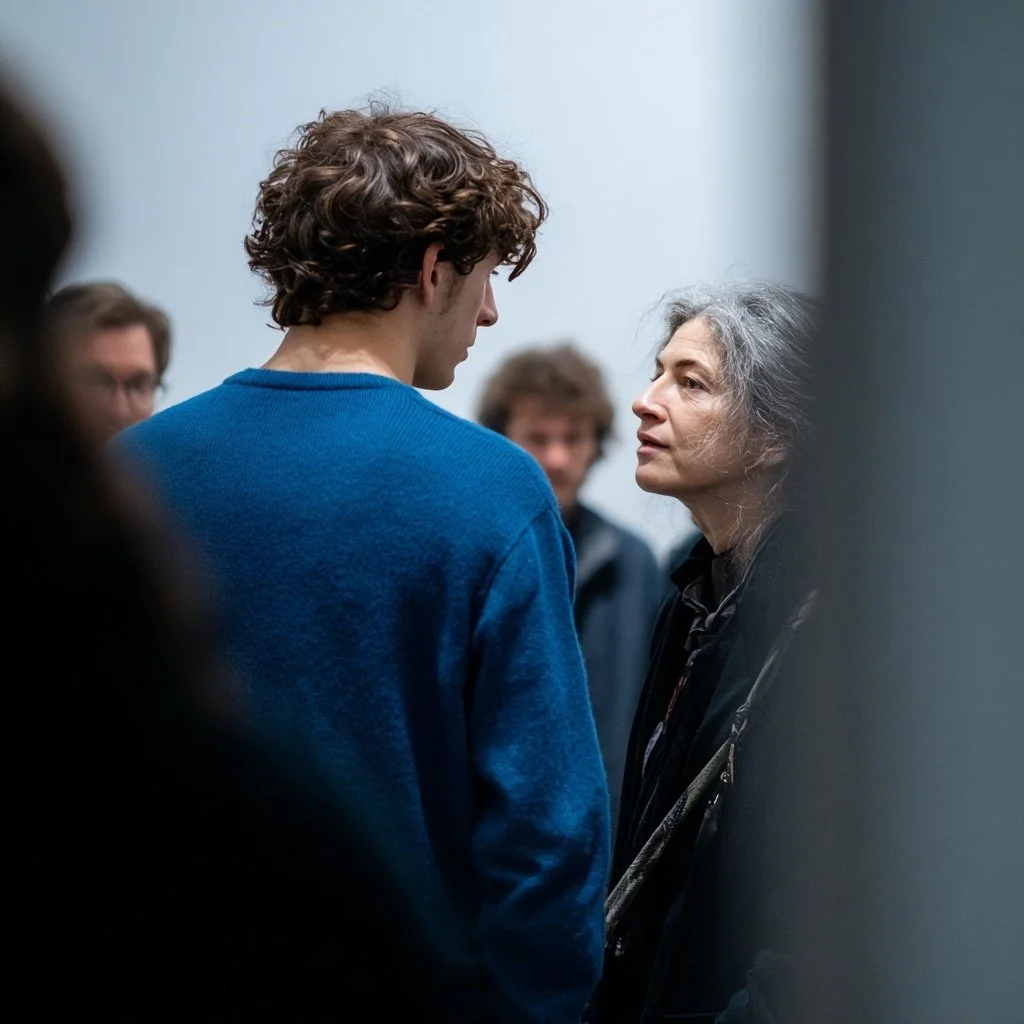
Durational performance using a proxy body as artist.
This work introduces a group of performers who act as proxies for the artist, Kate Youme. Each performer presents the work as if they are the artist. They are not asked to alter themselves beyond learning the work and its references. The same artwork is delivered through different bodies, without explanation or framing.
The work exists in the encounter. At any given moment, one performer engages a single viewer. The interaction is not announced as a performance. It unfolds as a conversation. The artwork is not fixed in an object or document. It is produced through proximity, assumption, and response.
While gender identity and other aspects of self can be lived fluidly, perception does not operate this way. The body is read immediately. This reading occurs before language, before correction, before consent. The work operates within this interval.
Each performer becomes a condition through which the work is understood. The content does not change. The body does. Meaning shifts accordingly. What is being observed is not the performer, but the instability of the work itself.
The question is not whether the work is different. The question is whether it was ever stable.